Winter can bring a beautiful blanket of snow, but it also poses challenges for homeowners, especially when it comes to plumbing. Freezing pipes are a common issue during the colder months, and they can lead to costly repairs if not addressed promptly. Here’s a quick guide to help you prevent your pipes from freezing and ensure your home stays safe and warm.
Understanding the Risks
When temperatures drop, the water inside your pipes can freeze and expand, causing the pipes to burst. This can lead to significant water damage and expensive repairs. Homes in regions with sudden temperature drops or those with inadequate insulation are particularly vulnerable.
Simple Prevention Tips
-
Insulate Your Pipes: Use pipe insulation sleeves or heat tape to cover exposed pipes, especially those in unheated areas like basements, attics, or garages.
-
Seal Cracks and Openings: Check for any gaps or cracks in walls, floors, and ceilings near pipes. Sealing these openings can help keep cold air out and warm air in.
-
Keep the Heat On: Even if you’re away from home, keep the thermostat set to a minimum of 55°F. This helps ensure that the temperature inside your home doesn’t drop to freezing levels.
-
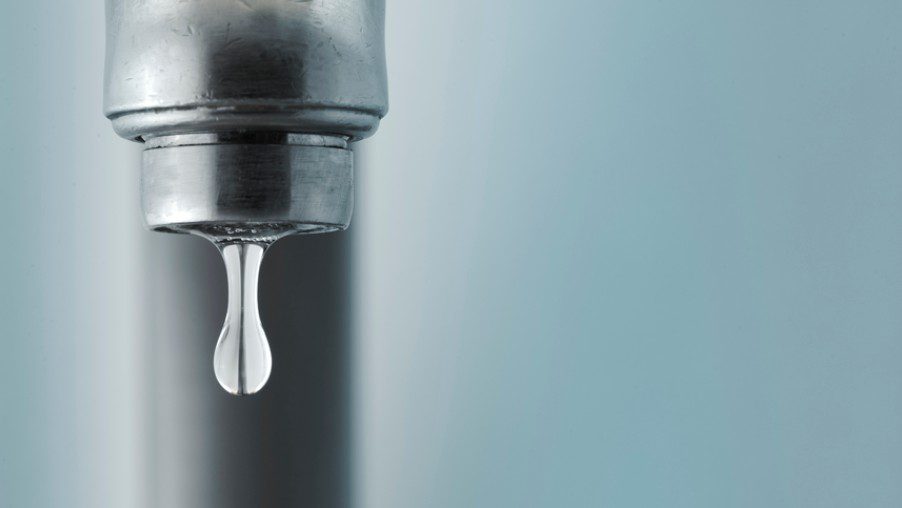
Let Faucets Drip: Allowing a small trickle of water to flow through your faucets can prevent pressure from building up in the pipes, reducing the risk of a burst.
-
Open Cabinet Doors: In areas like kitchens and bathrooms, open cabinet doors to allow warm air to circulate around the plumbing.
What to Do If Pipes Freeze
If you suspect your pipes have frozen, act quickly. Turn off the water supply to prevent further damage and use a hairdryer or space heater to gently warm the affected area. Avoid using open flames or high heat, as this can damage the pipes.
For more detailed advice or assistance with your home insurance needs, feel free to reach out to our agency. We’re here to help protect your home from winter’s challenges.